
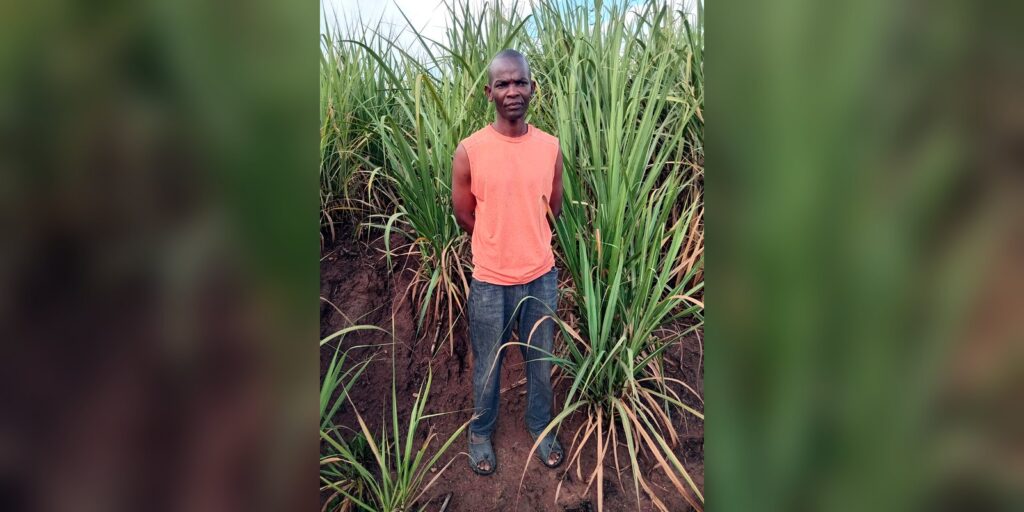
Fifteen years ago, Job Leggio stood on three acres in Oria and made a decision most of his neighbours thought was a gamble. He would pull up his maize and plant sugarcane.
He was young, the land was small, and the work ahead was heavy — clearing, ploughing, and finding money for fertiliser he could barely spare. But Job had watched what cane was paying farmers who supplied Sukari Industries, and he had made up his mind. “I chose cane because of the good pay from the company,” he says.
The early seasons tested that choice. Every step demanded effort and investment he did not always have. Then came 2018, when farmers delivered more cane than the market could absorb and prices fell. It was the season Job came closest to walking away, and he admits he wondered whether it was worth continuing.
He held on — not because it was easy, but because he still believed cane offered the surest way to lift his household out of hardship.
That belief slowly turned. As Job grew more involved in farming around Oria, fellow growers began to trust him, and they elected him one of their farmer representatives. The role brought him into closer contact with Sukari and with the farmers he now spoke for — access to better information and better cane varieties, improved practices, and a stronger voice for growers when problems arose. What he learned, he carried back to his community.
The proof is in the life he has built. Job’s farm has grown from three acres to more than ten. Over fifteen years, cane has fed his family, paid his children’s school fees, seeded other small businesses, and put up a modern family home — plain, visible milestones of what sustained commitment can return.
At 35, Job Leggio has gone from a maize farmer taking a leap of faith to a trusted voice for the growers weighing the same decision he once faced. His message to them is his own story told forward: with resilience and the right partnership, struggle can give way to stability — and stability, in time, can grow into leadership that lifts a whole community.